
Oil, Gas & Chemical Property Tax Appeals in Texas

Energy Sector Specialists
25-45% Average Reduction
Petroleum Facility Tax Reduction

Why Oil, Gas & Chemical Facilities Pay Excessive Property Taxes

Petroleum and chemical facilities face unique assessment challenges due to fluctuating commodity prices, specialized equipment with rapid obsolescence, complex infrastructure, and exemptions that appraisal districts frequently misapply or ignore.

Common Valuation Problems:

Generic cost models applied without energy sector depreciation factors
Equipment valued at replacement cost ignoring functional and economic obsolescence
Commodity price volatility impact on income potential overlooked
Freeport exemptions for goods-in-transit inventory not proactively applied
TCEQ environmental equipment (pollution control systems) improperly taxed
Pipeline infrastructure overvalued without right-of-way limitations considered
Tank farm storage capacity valued without market demand analysis
Specialized refining/processing equipment assessed as new despite heavy use

Can’t find your property type? Contact us—we handle all specialized industrial classifications.

BTA reduces petroleum property taxes by 25-45% on average using energy-sector cost analysis, market-based income approaches, and aggressive exemption capture.


Oil and gas property tax appeals in Texas reduce assessments for refineries, chemical plants, and petroleum facilities by applying specialized depreciation analysis, securing Freeport exemptions for inventory in transit, and capturing TCEQ environmental equipment credits.
PETROLEUM PROPERTY TYPES

Petroleum & Chemical Property Types We Represent

From upstream production to downstream refining and petrochemical processing, BTA handles property tax appeals for the full spectrum of oil, gas, and chemical operations across Texas.

Refineries & Petroleum Processing Facilities

Crude oil refineries, petroleum product processing plants, and fuel production facilities with complex distillation, cracking, and refining systems.

Petrochemical & Chemical Manufacturing Plants

Chemical processing facilities producing plastics, resins, fertilizers, industrial chemicals, and specialty petrochemical products.

Pipeline Infrastructure & Transmission Systems

Crude oil pipelines, natural gas transmission lines, refined product pipelines, and gathering systems with pumping stations and metering facilities.

Tank Farms & Bulk Storage Terminals

Petroleum storage terminals, chemical tank farms, crude oil storage facilities, and product distribution terminals.

Natural Gas Processing & LNG Facilities

Gas processing plants, fractionation facilities, NGL extraction plants, and liquefied natural gas (LNG) terminals.

Offshore Platforms & Marine Infrastructure

Offshore drilling platforms, production platforms, marine terminals, and coastal petroleum infrastructure.

Petroleum & Chemical Property Types We Represent

From upstream production to downstream refining and petrochemical processing, BTA handles property tax appeals for the full spectrum of oil, gas, and chemical operations across Texas.

Energy Sector Depreciation Analysis

We apply petroleum-industry depreciation factors including physical deterioration from 24/7 operations, functional obsolescence from environmental regulations, and economic obsolescence from commodity price volatility.

Freeport & TCEQ Exemption Maximization

We proactively identify and capture Freeport exemptions for crude oil and refined products in transit, plus TCEQ environmental equipment credits for pollution control systems that appraisal districts often miss.

Commodity-Adjusted Income Valuation

We adjust income approaches to reflect current commodity pricing, refining margins, chemical spreads, and capacity utilization—factors that generic appraisers ignore when inflating assessments during market peaks.
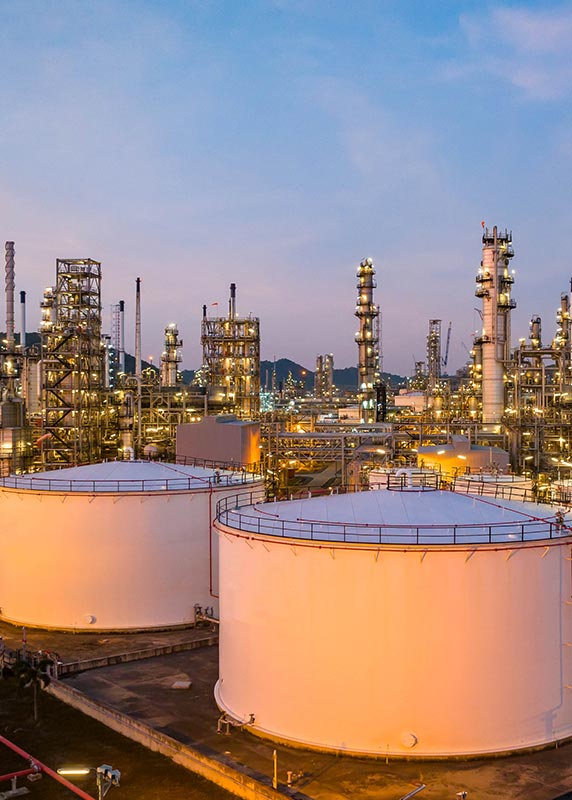
Property Taxes Are a Major Controllable Cost for Energy Operations

For petroleum and chemical facilities, property taxes can represent 3-12% of operating costs. With commodity price volatility compressing margins, every controllable expense matters.

Margin Protection: In low-price environments, reducing fixed costs like property taxes protects profitability and cash flow.
Capital Preservation: Savings from tax reductions can be reinvested in turnaround maintenance, safety improvements, or environmental upgrades.
Competitive Advantage: Lower tax burdens improve facility economics versus regional competitors, especially for Gulf Coast facilities competing internationally.
Portfolio Optimization: Multi-facility operators multiply savings across Texas refineries, plants, and terminals.
Financial Reporting: Reduced property taxes improve EBITDA for public companies and strengthen financial statements for lenders.
Oil and Gas Property Tax Appeal

Petroleum Property Tax Appeal Process

Facility Assessment & Exemption Review

We analyze your refinery, chemical plant, or petroleum facility’s assessment, identify depreciation factors, and review Freeport/TCEQ exemption eligibility.

Evidence Preparation & Protest Filing

Our energy sector specialists prepare cost analysis with petroleum-specific depreciation, market comparables, income adjustments for commodity pricing, and exemption applications.

ARB Representation & Negotiation

We represent your facility at informal hearings and Appraisal Review Board proceedings, presenting technical evidence and negotiating maximum reductions.

Resolution & Exemption Implementation

You receive amended assessments with reduced values and exemption confirmations. If denied, we escalate to binding arbitration or judicial appeal.

Oil, Gas & Chemical Property Tax Questions

Everything you need to know about oil and gas Property Tax Reduction in Texas

We can find the right Refinery Property Tax Protest for you!

Talk To The Experts

If you would like to speak to our customer service team to discuss your accounts or have properties you would like to sign-up, contact a BTA specialist today!


    Scroll to Top