
Hospitality Property Tax Protest Services for Texas Hotels, Resorts, Entertainment Venues & Golf Properties
BTA helps hospitality and entertainment property owners review appraised values, analyze income, occupancy, market, cost, condition, and property-specific evidence, prepare authorized protests, and support defensible valuation positions.
Hospitality & Entertainment Properties
We Serve Throughout Texas
BTA supports appraisal review and protest preparation for hospitality and entertainment property types across Texas, including hotels, resorts, conference centers, event venues, entertainment facilities, golf courses, country clubs, and recreational properties.
Hotels &
Resorts
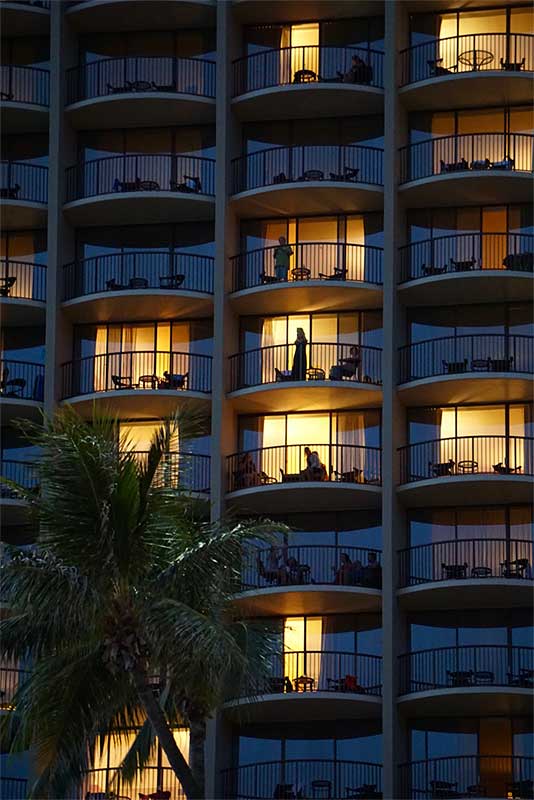
Hotels, resorts, extended-stay properties, conference centers, and hospitality complexes may require review of occupancy, ADR, RevPAR, franchise agreements, management contracts, FF&E reserves, renovation needs, market demand, and comparable sales.
Entertainment Venues &
Event Centers
Entertainment venues, event centers, theaters, concert halls, sports facilities, bowling centers, skating facilities, cinemas, and recreational entertainment properties may require review of utilization, seasonal revenue, event schedule, specialized improvements, condition, operating expenses, and market demand.
Golf Courses &
Country Clubs
Golf courses, country clubs, public courses, private clubs, semi-private courses, golf communities, and related facilities may require review of membership structure, rounds played, food and beverage operations, land use, course condition, maintenance costs, income evidence, and comparable sales.
Unique Property Tax Challenges Facing Hospitality & Entertainment Real Estate
Hospitality and entertainment property tax reviews often involve income volatility, occupancy trends, brand or franchise costs,
FF&E reserves, renovation needs, functional utility, special-purpose design, and market demand.
BTA helps evaluate these issues against appraisal district records and available property evidence.
Special-Purpose Property Limited Markets
Hospitality and entertainment properties may have special-purpose designs, limited alternative uses, high conversion costs, and regulatory or zoning constraints. These factors should be reviewed against appraisal district assumptions and available market evidence.
Income Volatility & Economic Sensitivity
Hospitality properties may experience income changes tied to economic cycles, seasonality, travel patterns, events, labor costs, and market disruptions. Actual operating performance and current market evidence should be reviewed when evaluating income approach assumptions.
Brand Affiliation & Franchise Fee Burden
Branded hotel properties may involve franchise fees, marketing fees, reservation system costs, loyalty program costs, and management agreements. These items may affect property-level income and should be reviewed when evaluating valuation assumptions.
FF&E Reserves & Capital Improvement Requirements
Hotels require substantial ongoing capital investment for furniture, fixtures, and equipment (FF&E) replacement. Franchise agreements typically mandate 4-5% of revenue reserves for FF&E. These required reserves reduce property NOI but districts often ignore or underestimate FF&E impacts.
Functional Obsolescence from Outdated Design
Older hospitality and entertainment properties may have outdated layouts, limited amenities, inefficient public spaces, aging rooms, inadequate parking, or design limitations that affect competitiveness and market demand. These issues should be documented with property-specific evidence.
Market Disruption & Alternative Accommodations
Hotels, venues, and recreational properties may be affected by changing travel patterns, alternative accommodations, event demand, consumer preferences, and local market conditions. BTA reviews available market and property evidence to evaluate how these factors may affect valuation.
Common Questions
Answers to common questions about hospitality property valuation, hotel income evidence, entertainment venue evidence, golf course valuation issues, and Texas hospitality property tax protests.
Hospitality property tax reviews may consider income, occupancy, ADR, RevPAR, operating expenses, franchise or brand costs, management agreements, FF&E reserves, renovation needs, capitalization rates, comparable sales, property condition, and local market demand. BTA helps organize property-specific evidence for appraisal district review and ARB hearing support.
Useful records may include income and expense statements, occupancy reports, ADR and RevPAR data, rent or operating agreements, franchise documents, management contracts, FF&E reserve information, renovation records, deferred maintenance documentation, event utilization reports, appraisal notices, appraisal district records, comparable sales, photos, and property condition documentation.
Yes. BTA supports reviews for hotels, resorts, conference centers, entertainment venues, event centers, theaters, sports and recreation facilities, golf courses, country clubs, and related hospitality properties. Each property type may require different evidence, including income, occupancy, utilization, condition, operating expenses, special-purpose design, and market comparisons.
No. A protest does not guarantee a lower appraised value, lower taxable value, tax savings, or a specific outcome. Appraisal districts and Appraisal Review Boards evaluate the evidence, and taxing units set tax rates. BTA helps property owners prepare and present a defensible valuation position based on available records and applicable procedures.
Hospitality Property Tax Services
BTA supports hospitality and entertainment property tax reviews with appraisal record analysis, income and expense review, occupancy evidence, hotel operating data, sales comparison review, cost approach review, FF&E and renovation evidence, authorized protest filing, informal review support, ARB hearing preparation, and portfolio coordination.
Service Overview:
Hospitality property valuation may depend on occupancy, revenue trends, operating expenses, brand or franchise costs, management agreements, FF&E reserves, renovation needs, special-purpose design, condition, market demand, comparable sales, and appraisal district assumptions. BTA helps owners evaluate those factors and prepare property-specific protest evidence.
Hotel Income
Approach Analysis
Hotels may require income approach review using occupancy, ADR, RevPAR, operating expenses, management agreements, franchise costs, FF&E reserves, renovation needs, and capitalization-rate evidence. BTA helps compare appraisal assumptions with available property records and market evidence.
Golf Course Property Tax
Specialized Valuation
Golf course and country club reviews may require analysis of membership structure, rounds played, food and beverage operations, maintenance costs, land use, course condition, income evidence, and comparable market data.
Entertainment Venue Special-Purpose Property Review
Entertainment venues may require review of utilization, event schedule, seasonality, specialized improvements, operating costs, market demand, condition, and limited alternative-use factors.
Functional Obsolescence Documentation
BTA helps document outdated layouts, aging rooms or facilities, inefficient public spaces, limited amenities, parking limitations, deferred maintenance, and other condition or utility issues that may affect value.
Special-Purpose Property Market Evidence
BTA helps organize market and property evidence related to limited buyer pools, specialized design, conversion costs, zoning or use constraints, and comparable sales for hospitality and entertainment properties.
Business Personal Property
(BPP) Services
Hospitality businesses may have business personal property such as furniture, fixtures, equipment, kitchen equipment, golf course equipment, entertainment technology, signage, supplies, and other taxable assets. BTA can support BPP rendition review and protest support when applicable.
Why Hospitality Property Owners Work With BTA
BTA helps hospitality and entertainment property owners evaluate appraisal assumptions, organize income, occupancy, market, cost, condition, and property-specific evidence, prepare authorized protests, and present a defensible valuation position.
Related Commercial Property Tax Services
Explore related commercial property tax protest services for Texas property owners, investors, and portfolio managers.
Retail property tax support for shopping centers, restaurants, stores, automotive properties, single-tenant retail, and specialty retail properties.
Healthcare property tax support for medical offices, clinics, hospitals, and specialized healthcare real estate.
Office property tax support for office buildings, business parks, flex office, bank branches, and commercial land.
Multi-family property tax support for apartments, student housing, senior living, LIHTC, and residential income properties.

Request a Hospitality Property Tax Review
Have a hotel, resort, entertainment venue, event center, golf course, country club, recreation facility, or hospitality property that needs appraisal review? Contact BTA to discuss property records, income evidence, occupancy data, appraisal notices, protest options, and next steps.
Official Texas Property Tax Resources
For general Texas property tax rules, valuation methods, protest procedures, ARB hearings, and property tax forms, property owners may review official resources from the Texas Comptroller.